Lumbar spinal stenosis is a condition where the spinal canal gradually narrows in the lower back area, putting pressure on the nerves that pass through this space. Accessing the right treatment for lumbar stenosis is essential to ease pain and restore functional mobility, especially when symptoms interfere with daily activities and the patient’s quality of life.
Understanding the characteristic symptoms of this condition and knowing the available treatment options allows for informed decisions about spinal health care. In our specialized practice in spinal and vertebral surgery, we manage lumbar canal stenosis cases using both conservative and surgical approaches tailored to each patient’s specific needs.
Typical Symptoms of Spinal Canal Narrowing
Symptoms can vary greatly among patients, but there is a recognizable clinical pattern. The most common signs include:
- Lower back pain radiating to one or both legs, especially during physical activity or standing for long periods
- Numbness or tingling sensations in the legs
- Progressive muscle weakness in the lower limbs
- Difficulty maintaining balance while walking
- Symptom improvement when bending forward or sitting, positions that slightly widen the spinal canal
This particular pain pattern that eases with lumbar flexion, known as neurogenic claudication, sets stenosis apart from other spinal conditions. Some patients describe a heavy feeling in their lower limbs that makes walking short distances challenging. These symptoms can develop gradually over months or years, often leading people to mistakenly attribute them to normal aging.
Accurate Diagnosis to Plan the Therapeutic Approach
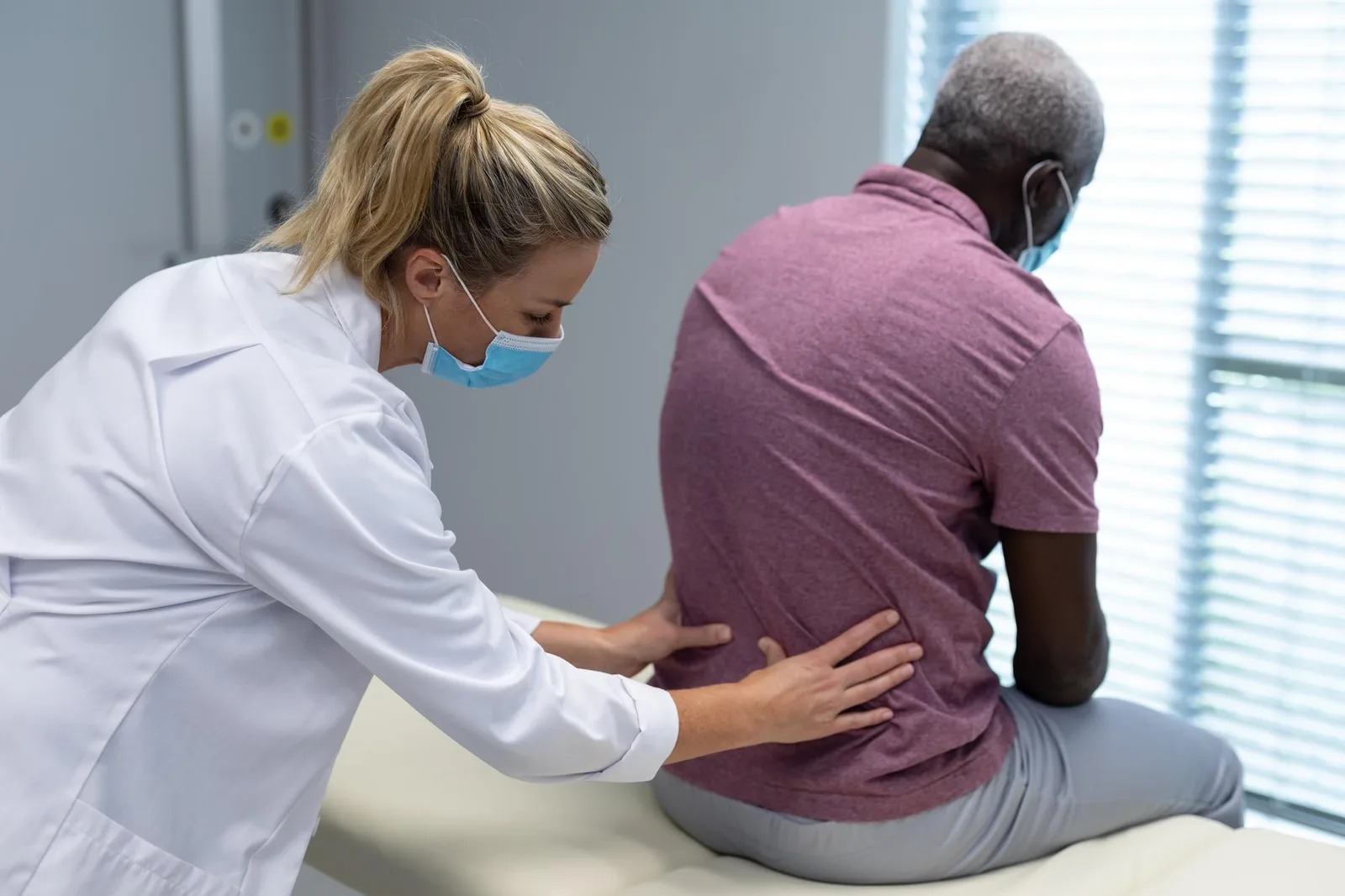
The evaluation process begins with a detailed medical history and a thorough physical exam to identify pain patterns and functional limitations. During the consultation, we assess the patient’s gait, muscle strength, reflexes, and sensitivity in the lower limbs to determine the extent of neurological involvement.
Imaging studies are essential to confirm the diagnosis. Magnetic Resonance Imaging (MRI) is the preferred method, as it clearly shows the degree of canal narrowing, nerve root compression, and related degenerative changes. In certain cases, computed tomography (CT) scans complement the evaluation by providing additional information about the affected bone structures.
Available Therapeutic Options
The treatment plan is individualized based on symptom severity, neurological involvement, patient age, and associated medical conditions. We typically start with conservative measures that can provide significant relief without the need for surgery.
Conservative Management
Non-surgical treatment includes lifestyle modifications, physical therapy focused on strengthening the core muscles, and lumbar flexion exercises that help widen the spinal canal space. Anti-inflammatory drugs and painkillers control pain in many cases, while epidural corticosteroid injections can reduce inflammation around compressed nerves.
Minimally Invasive Surgical Alternatives
When conservative measures fail to control symptoms or neurological deterioration progresses, surgical options become effective solutions. We offer endoscopic surgery techniques that decompress affected nerves through small incisions, minimizing surgical trauma and recovery time. These procedures aim to enlarge the spinal canal, remove structures compressing the nerves, and restore normal function.
Minimally invasive decompressive laminectomy remains one of the most effective procedures. In cases of associated vertebral instability, it can be combined with spinal fusion to ensure long-term stability. Our focus on advanced techniques allows us to deliver solutions with excellent functional outcomes.
Complementary Strategies for Symptom Control
Beyond specific medical treatment, there are measures that significantly contribute to pain relief. Maintaining a healthy body weight reduces spinal load, while using assistive devices like canes can improve walking stability.
We also recommend adopting proper posture during daily activities. Slightly leaning forward when walking, using a shopping cart for support, or choosing flat surfaces over uneven terrain are simple adjustments that make a noticeable difference. Patient education about their condition and self-care strategies is a fundamental part of comprehensive management.
If you are experiencing lumbar stenosis symptoms that limit your mobility and quality of life, our specialized team is ready to assess your condition and design the most appropriate treatment plan for your individual case. Combining expertise in advanced surgical techniques with a personalized approach that prioritizes your functional recovery. Request a specialized evaluation for your spinal problem and regain the freedom of movement you deserve.