

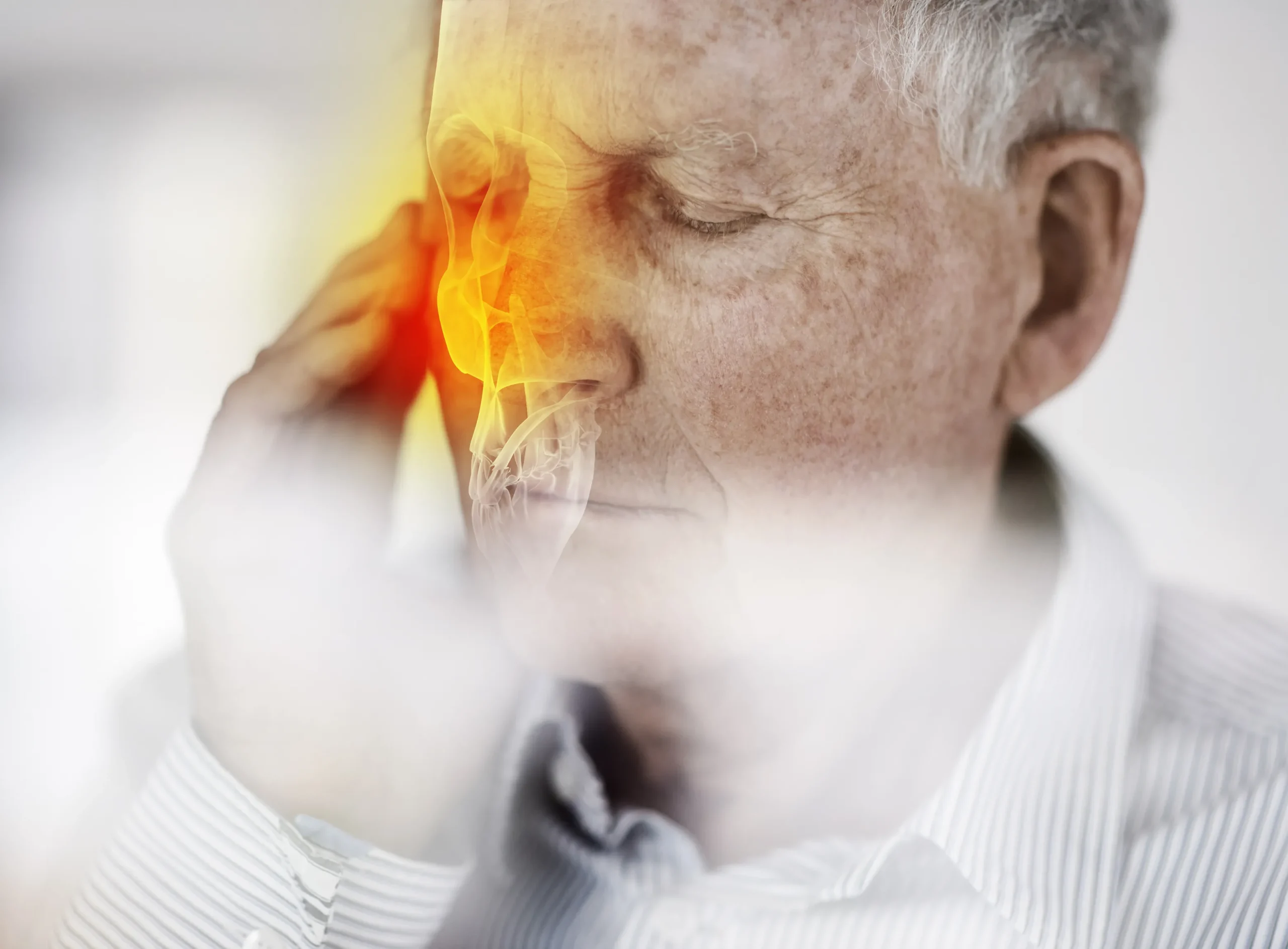
Glossopharyngeal neuralgia causes sudden attacks of severe pain in the throat, base of the tongue, tonsil area, ear, or under the jaw. Attacks can be triggered by swallowing, speaking, coughing, or yawning. Because it is a rare condition, its diagnosis requires a thorough clinical evaluation and tests to rule out other causes.
What is glossopharyngeal neuralgia?
Glossopharyngeal neuralgia is a rare disorder that primarily affects the glossopharyngeal nerve, also known as the ninth cranial nerve. This nerve is involved in sensation in the back of the tongue, tonsils, throat, and certain areas of the ear.
In some patients, the vagus nerve, which lies near the glossopharyngeal nerve and plays a role in functions such as swallowing, heart rate, and the regulation of other internal activities, may also be involved.
The condition causes brief episodes of intense pain in specific areas of the throat, tongue, ear, or jaw. Due to its location, it can initially be mistaken for dental problems, throat infections, ear problems, or temporomandibular joint disorders.
Symptoms of glossopharyngeal neuralgia
The pain usually comes on suddenly and is described as an electric shock, a deep stabbing, or a cutting sensation. It generally affects only one side and can be located in:
- The back of the throat.
- The tonsil region.
- The base or back of the tongue.
- The ear or ear canal.
- The area below the angle of the jaw.
The attacks typically last from a few seconds to a few minutes. They can recur several times a day and alternate with symptom-free periods.
Common triggers include swallowing food or liquids, talking, chewing, coughing, clearing the throat, and yawning. Some people avoid eating or drinking for fear of triggering another attack, which can affect their nutrition and quality of life.
In rare cases, vagus nerve stimulation during an attack can be associated with a decreased heart rate, low blood pressure, dizziness, or fainting. Loss of consciousness, chest pain, shortness of breath, or palpitations require immediate medical evaluation.
Causes and diagnosis
One possible cause is compression of the glossopharyngeal nerve by an artery near the brainstem. The pulsating contact can irritate the nerve and lead to abnormal pain signals.
Less frequently, symptoms may be related to an injury at the base of the skull or neck, a tumor, a vascular disorder, an inflammatory process, or a disease affecting the nerve sheath. In many patients, a specific cause is not identified.
Diagnosis relies primarily on a precise description of the pain. The specialist needs to know where it starts, where it radiates, how long it lasts, what triggers it, and whether it is accompanied by dizziness or fainting.
A neurological and cranial nerve examination helps to look for additional abnormalities. A brain and skull base MRI may also be ordered to assess the nerve’s path and rule out vascular compression or other injuries. Depending on the symptoms, further evaluations of the ear, throat, neck, or cardiovascular system may be necessary.
Treatment of glossopharyngeal neuralgia
The treatment plan depends on the frequency and severity of the crises, their impact on eating, the response to medications, imaging findings, and the patient’s overall condition.
Pharmacological treatment
The first option is usually the use of medications that can reduce abnormal nerve discharges. Some anticonvulsants are used to decrease the frequency and intensity of the pain.
Treatment must be supervised because these medications can cause drowsiness, dizziness, or other adverse effects. The dosage and duration are adjusted according to each person’s response. They should not be discontinued or modified without medical advice.
When pain persists despite appropriate pharmacological management, side effects limit treatment, or seizures significantly affect eating and daily life, interventional or surgical alternatives may be considered.
Microvascular decompression
When studies and clinical features suggest that a blood vessel is compressing the glossopharyngeal nerve, microvascular decompression may be considered.
The goal of the surgery is to carefully separate the vessel from the nerve and place a scaffold to prevent direct contact. Depending on the anatomical findings, the relationship of the vagus nerve to nearby blood vessels is also assessed.
This procedure aims to treat the compression mechanism without intentionally damaging the nerve. However, because it is performed near structures involved in swallowing, voice, and other functions, it requires a thorough neurosurgical evaluation and an individualized explanation of its potential benefits and risks.
Other procedures
In patients who are not candidates for microvascular decompression or who have particular clinical circumstances, techniques aimed at interrupting pain signals from the nerve may be considered.
This should be done with caution, as the glossopharyngeal nerve is involved in throat sensation and part of the swallowing process. Each option should be analyzed according to the patient’s symptoms, functional risks, and goals.
Specialist assessment for glossopharyngeal neuralgia
During the evaluation, I individually analyze your symptoms, the characteristics of your pain, imaging studies, and your response to previous treatments. My goal is to confirm whether you have trigeminal neuralgia, rule out other causes of facial pain, and clearly explain the available alternatives.
Each case requires careful evaluation to determine which treatment can offer the best balance between pain relief, safety, and quality of life.
Cirugía de base de cráneo y endoneurocirugía
¡Escríbanos!
Información de contacto
- Address Hospital CIMA: Office 1215, Torre 1, San José, Costa Rica.
- Phone +506 2208 1215
- WhatsApp +506 8372-4344
- Email info@drandresmorales.com