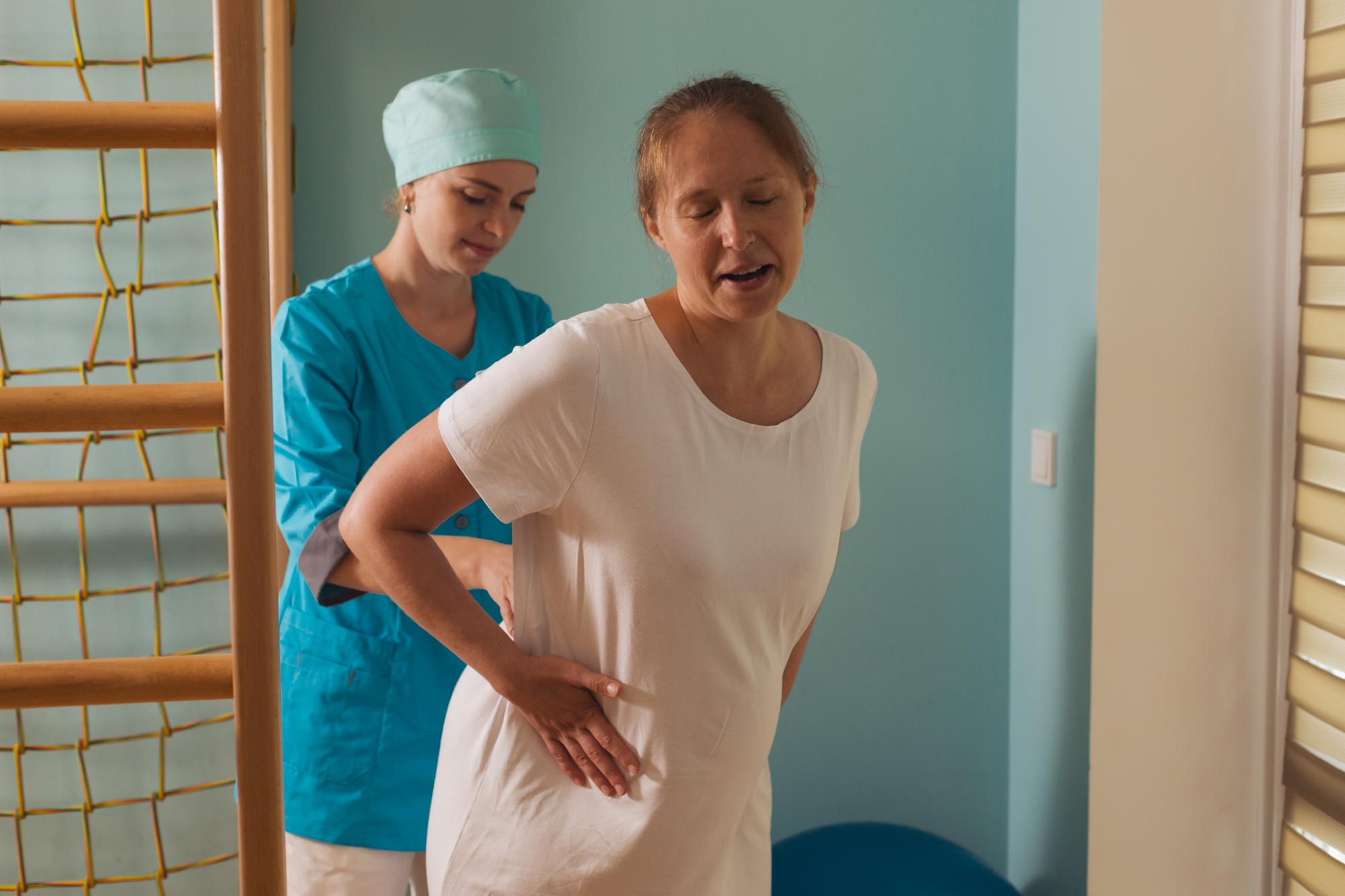
Vertebral compression fractures are among the most common challenges in the elderly population, especially in patients with osteoporosis. When the pain becomes debilitating and impacts quality of life, percutaneous vertebroplasty offers a minimally invasive alternative that can provide significant relief quickly. In our practice, we have seen how this procedure transforms the recovery of older adults who previously faced weeks of complete bed rest.
Understanding what this treatment involves, when it is indicated, and what to expect during the process is essential for making informed decisions about spinal health. Below, we cover the key aspects of this neurosurgical technique that has revolutionized the management of vertebral fractures.
What is percutaneous vertebroplasty and when is it indicated?
Percutaneous vertebroplasty is a minimally invasive procedure that involves injecting a special bone cement (polymethylmethacrylate) directly into the fractured vertebra. This technique stabilizes the fracture, relieves pain, and prevents further collapse of the vertebral body. We perform the procedure under fluoroscopic or tomographic guidance, allowing millimetric precision in placing the cement.
Its main indications include vertebral compression fractures caused by osteoporosis, low-energy trauma to weakened bones, and, in selected cases, tumor lesions affecting the vertebral bodies. The ideal candidate is a patient with localized acute vertebral pain, radiological confirmation of the fracture, and inadequate response to conservative treatment after several weeks. In our experience with spinal and vertebral surgery, we thoroughly evaluate each case to determine if vertebroplasty is the best therapeutic option.
Benefits and risks of the procedure in older adults
The benefits of percutaneous vertebroplasty in elderly patients are remarkable and supported by strong clinical evidence. The most notable benefit is pain relief, which many patients experience within the first 24 to 48 hours after the procedure. This rapid relief enables early mobilization, a key factor in preventing complications associated with prolonged bed rest in older adults.
Other important benefits include:
- Restoration of vertebral height in recent cases, helping prevent progressive spinal deformities
- An outpatient procedure or overnight hospital stay, reducing infection risks
- Minimal blood loss and faster recovery compared to open surgeries
- Improved quality of life and functional capacity for daily activities
As with any medical procedure, there are risks to consider. The most commonly reported complication is cement leakage (extravasation outside the vertebral body), which occurs in a small percentage of cases and generally does not cause symptoms. Less frequent are infections, bleeding, or nerve injuries. In skilled hands and with proper patient selection, these risks are significantly minimized.
Treatment process in percutaneous vertebroplasty
Pre-procedure preparation
Before performing vertebroplasty, we conduct a thorough evaluation that includes up-to-date imaging studies (MRI or CT) to confirm the exact location and age of the fracture. Basic blood tests are requested to ensure proper blood clotting. It is essential that the patient discloses any anticoagulant or antiplatelet medications, as these may need to be temporarily stopped under medical supervision.
Performing the procedure
On the day of the procedure, the patient lies face down on the fluoroscopy table. We apply local anesthesia at the puncture site and, in some cases, conscious sedation for added comfort. Using a special needle, we access the fractured vertebral body through a posterior approach. Once needle placement is confirmed, the bone cement is injected in a controlled, gradual manner. The entire procedure usually takes between 30 and 60 minutes, depending on the number of vertebrae treated.
Postoperative recovery
After vertebroplasty, the patient is observed for one to two hours in a supine position to allow the cement to harden completely. Most of our patients can walk the same day with assistance and are discharged with clear instructions about progressive physical activity. We recommend avoiding intense exertion during the initial weeks, although early mobilization is encouraged to optimize recovery.
Follow-up and comprehensive management
Post-procedure follow-up is key to ensuring long-term success. We schedule regular clinical and radiological check-ups to monitor the consolidation of the treated fracture and to detect potential new fractures. An essential part of comprehensive management is treating the underlying osteoporosis with calcium and vitamin D supplements, antiresorptive medications when indicated, and lifestyle modifications such as strength and balance exercises. At our neurosurgical practice, we work in coordination with specialists in internal medicine and rheumatology to offer a multidisciplinary approach.
If you suffer from vertebral pain due to fractures or need an evaluation for percutaneous vertebroplasty, contact us for a personalized consultation.