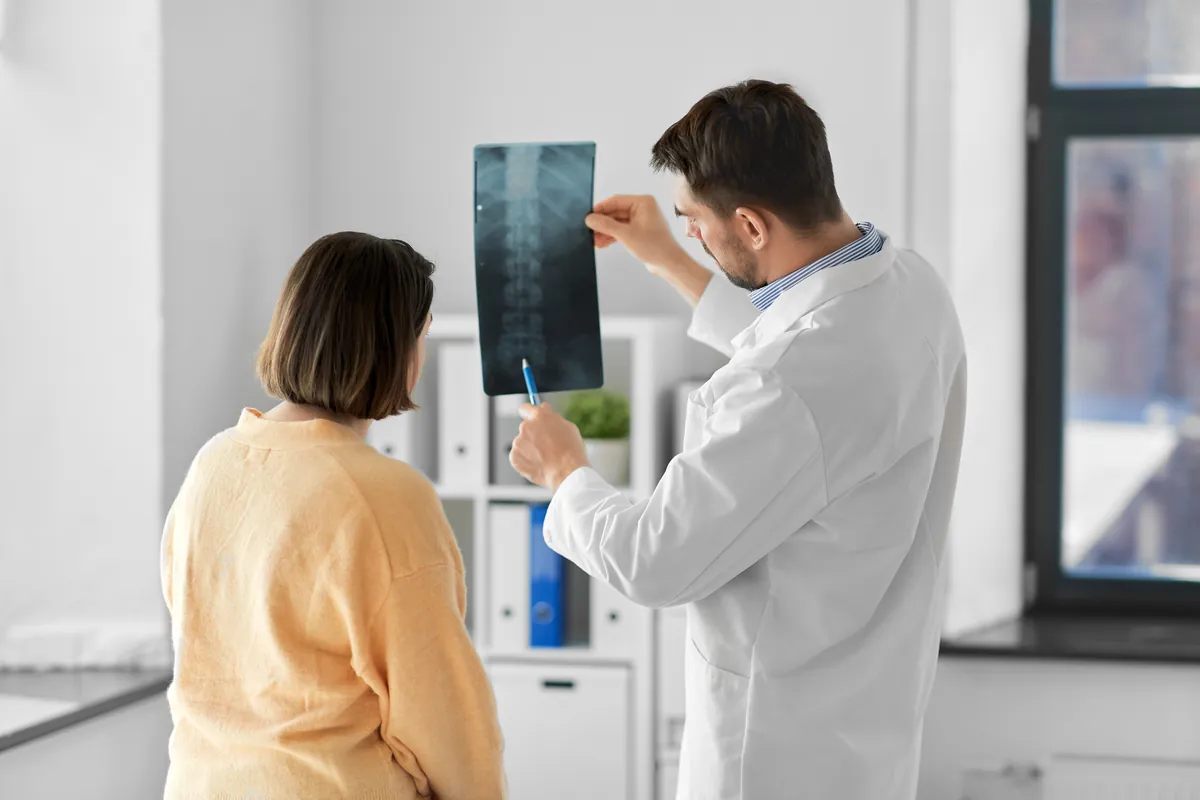
The advancement of surgical techniques has enabled the development of less invasive procedures to treat spinal conditions. Endoscopic spine surgery has become a modern alternative for patients seeking pain relief and restored mobility through more precise interventions with minimal impact on surrounding tissues.
This type of surgery uses specialized instruments and high-definition cameras that allow access to the spine through small incisions. As a result, many patients experience less postoperative pain and a faster recovery compared to traditional procedures. In Costa Rica, these techniques have also attracted interest from people researching options related to surgery for vertebral fracture and advanced treatments for various spinal conditions.
How does endoscopic spine surgery work?
Endoscopic spine surgery involves inserting a tiny camera called an endoscope through small incisions. This system allows the surgeon to visualize internal structures of the spine with great precision while the specialist performs the surgical procedure.
Unlike open surgeries, the endoscopic approach reduces damage to muscles, ligaments, and soft tissues. This can result in less inflammation, less bleeding, and a more favorable physical recovery for the patient.
The procedure is usually performed with the support of real-time imaging and specialized technology that facilitates access to complex areas of the spine. Depending on the condition being treated, the surgery may focus on decompressing nerves, removing disc fragments, or stabilizing affected structures.
Conditions that may benefit from this technique include:
- Disc herniations
- Lumbar stenosis
- Radicular pain due to nerve compression
- Certain vertebral fractures
- Degenerative spine problems
In certain patients with vertebral compression fracture Costa Rica, the minimally invasive approach can help relieve symptoms and improve vertebral stability, especially when pain significantly limits daily activities.
Cases in which this technique may be recommended
The indication for endoscopic spine surgery depends on clinical evaluation, imaging studies, and the progression of symptoms. Many patients come for consultation after trying conservative treatments such as medication, physical therapy, or injections without sufficient improvement.
One of the most common scenarios is a lumbar disc herniation that causes radiating pain down the leg, tingling, or muscle weakness. In these cases, endoscopic surgery can help free the affected nerve using small incisions and preserving as much healthy tissue as possible.
It can also be recommended for patients with narrowing of the lumbar canal, a condition that causes pain while walking, a feeling of heaviness, or difficulty standing for long periods.
There are clinical benefits that have driven the growth of this technique in neurosurgery and spine surgery:
- Less muscle injury
- Small incisions
- Reduced postoperative pain
- Faster recovery
- Shorter hospital stay
- Earlier return to daily activities
Although it offers multiple advantages, not all patients are ideal candidates. Some complex conditions or severe deformities may require conventional open procedures to achieve safe and adequate treatment.
Benefits for recovery and quality of life
One of the main benefits of endoscopic spine surgery is the possibility of regaining mobility in less time. As a less invasive technique, many patients are able to walk just a few hours after the procedure and progressively resume their daily activities.
The reduced surgical trauma can also decrease postoperative pain and reduce the need for strong painkillers during recovery. Additionally, the small incisions have less impact on muscles and tissues, promoting a more comfortable rehabilitation and better long-term spinal function.
In patients with vertebral compression fracture, timely care can help relieve severe pain and significantly improve quality of life. This type of injury often affects basic activities such as walking, sitting, or resting comfortably.
Each patient requires an individual assessment to determine the most appropriate treatment according to their diagnosis and clinical condition. As a specialist in neurosurgery and spine surgery, I have experience in advanced procedures and minimally invasive techniques aimed at promoting a safer, more functional recovery with less downtime.
If you have persistent back pain, difficulty moving, or symptoms associated with spinal problems, a specialized evaluation can help you learn about the available treatment options to improve your well-being and quality of life.